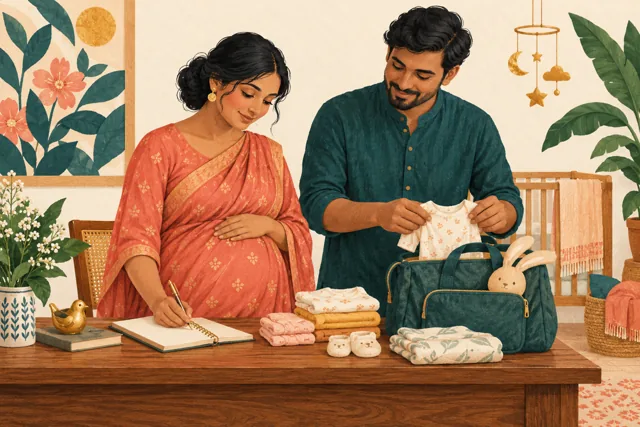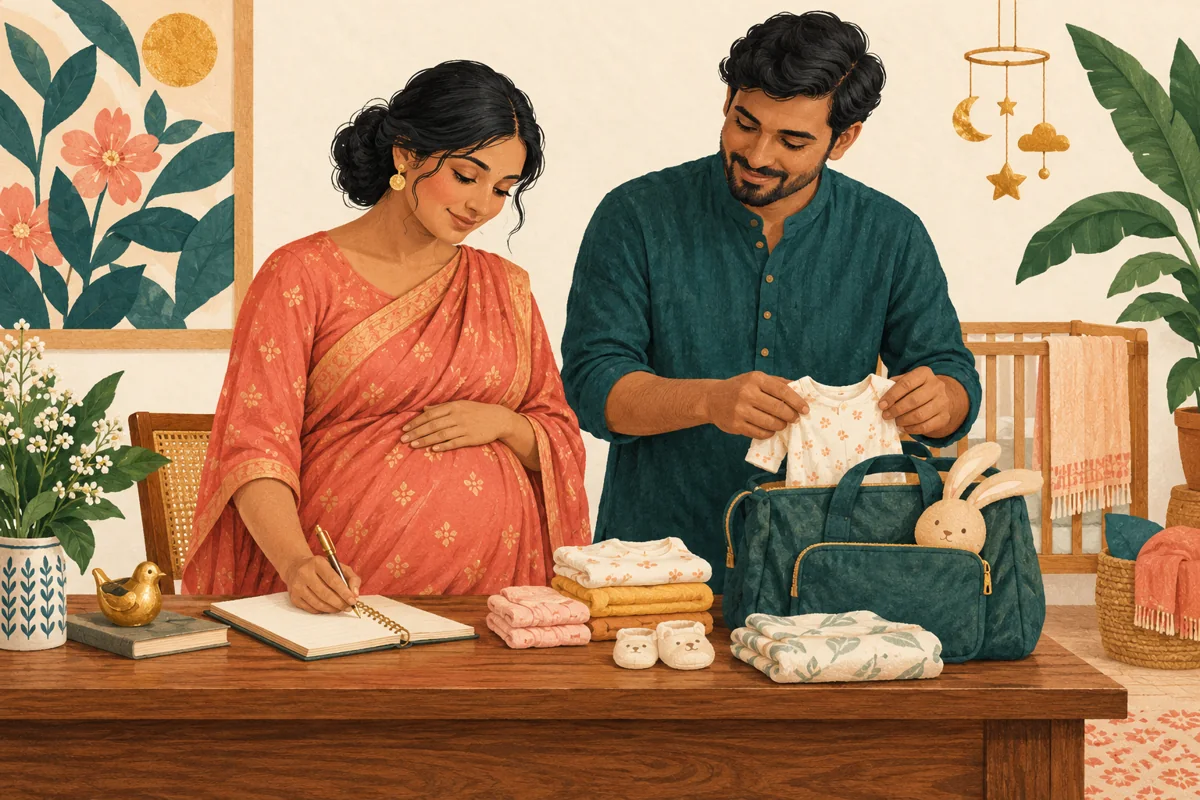
Give the notebook a small purpose
Decide what you would enjoy keeping: scraps of conversation, changes around the home, books you are reading or thoughts about becoming a parent. The notebook does not need to cover every day. A few specific details can bring a period back more clearly than a polished account written because you feel you should have one.
Choose a format you already like using. It might be paper, a private digital document or short audio notes stored somewhere you control. Consider how you will find it later and who can open it now. This is a personal record, not a substitute for any separate official documents you need to maintain.
Write about a scene rather than a whole week
When a blank page feels demanding, describe one small scene. Who was in the room? What were you doing? Which sentence made you laugh or pause? You can write about an ordinary shopping trip, a family discussion or an afternoon when you rearranged a shelf. Specific scenes leave room for your own voice.
Do not force every entry to express the same emotion. You might be interested, uncertain, bored with a repeated question or pleased about something unrelated to pregnancy. A private notebook can hold those differences without explaining them to an audience. You do not owe your future self a consistently cheerful narrator.
Use prompts sparingly
Keep a few prompts for days when you want to write but cannot begin: “A conversation I want to remember,” “Something I changed my mind about,” or “A small part of home right now.” Choose one and leave the rest. Repeating a prompt occasionally is fine; filling every box is not the point.
Avoid turning the notebook into a scorecard. There is no required number of photographs, letters or entries. If a page remains blank, it can remain blank. You can return after several weeks with a single paragraph rather than reconstructing every missing day. The notebook should be easy to resume, not another unfinished obligation.
Ask before including someone else's story
A conversation may involve another person's private experience. Think before recording identifying details, especially in a digital document you might eventually share. You can describe your own reaction without reproducing someone else's story. If you want to include a photograph or a longer contribution from another adult, ask what they are comfortable with.
Keep sharing decisions separate from writing decisions. An entry written for yourself may not be suitable for a family group. If you later make a keepsake, choose selected pages deliberately rather than exporting the entire notebook. Check backgrounds in photographs and remove details that were never intended for a wider audience.
Keep objects without keeping everything
A ticket, fabric sample or note can make a page personal. Choose a small amount and record why it matters. An unexplained receipt may be hard to understand years later; one sentence about the day gives it context. For bulky objects, a photograph and a description may suit your storage space better.
If you use digital files, give them simple dates and names so they remain findable outside one app. Check that you can open a copy in your chosen storage. Avoid assuming that a link in an old message will always work. A modest, understandable collection is easier to keep than a complicated archive nobody knows how to access.
Let the ending stay open
You do not need to decide now who will read the notebook or when it will finish. It may remain entirely yours. You may continue it as an ordinary family journal, select a few pages for a keepsake or stop when writing no longer interests you. Each choice is valid without turning the project into a promise.
For a first entry, describe one moment from today and add the date. Stop while you still want to return. The value is in the details you choose and the space to say them in your own way, not in producing a complete record of every part of pregnancy.